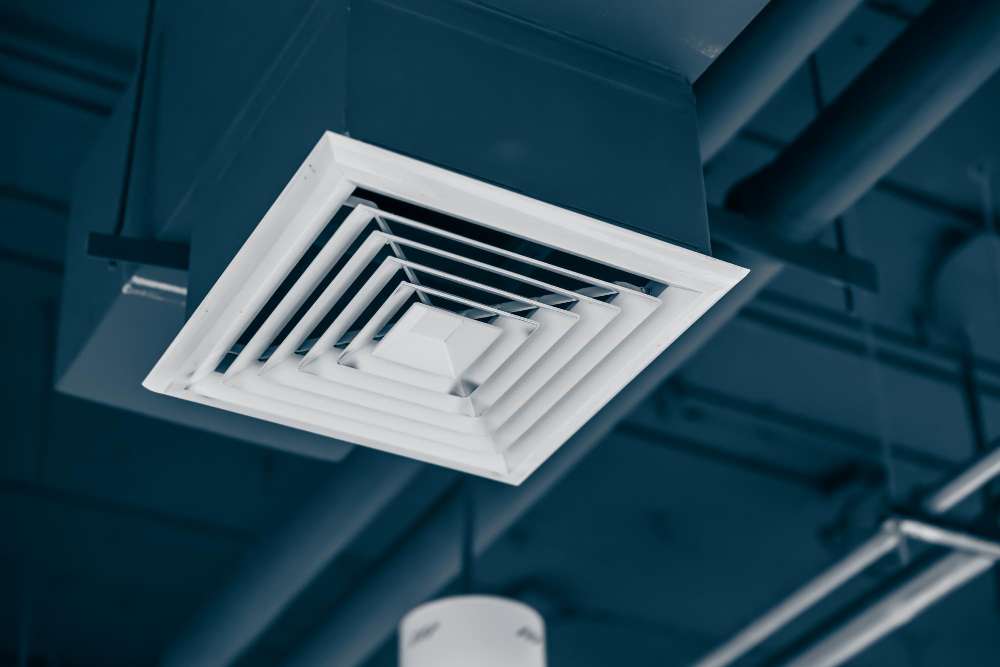
Most office managers assume a well-maintained HVAC system means clean air. It’s a reasonable assumption—but an incomplete one. HVAC systems filter and circulate air, yet they do nothing about the dust collecting on desks, the bacteria multiplying on shared surfaces, or the allergens embedded deep in office carpets.Indoor air quality is shaped by far more than what moves through your vents. Understanding that gap is the first step toward a genuinely healthy workplace.
Why HVAC Maintenance Only Solves Part of the Problem
HVAC systems are designed to regulate temperature and filter airborne particles as air circulates through the building. When properly maintained, they can reduce the concentration of certain airborne pathogens. That matters—but it’s a narrow slice of what drives poor indoor air quality.
The bigger contributors often sit right in plain sight: high-touch surfaces, upholstered furniture, and wall-to-wall carpeting. These are environments where bacteria, mold spores, dust mites, and allergens accumulate steadily between cleanings. No air filter catches what never becomes airborne in the first place.
The Surfaces, Carpets, and Overlooked Areas That Affect Air Quality
Carpets act like sponges. Over time, they trap dust, pollen, pet dander (tracked in on clothing), and even mold spores—especially in high-traffic areas or spaces prone to humidity. Standard vacuuming removes surface debris, but it rarely reaches the deeper layers where allergens settle.
Hard surfaces tell a similar story. Desks, keyboards, door handles, and communal kitchen areas harbor bacteria that spread through touch, not air. Regular disinfection of these surfaces is the only way to meaningfully reduce that risk.
Upholstered office furniture is another common blind spot. Chairs and sofas absorb contaminants over months and years of use. Without periodic deep cleaning, they quietly degrade the overall cleanliness of the space—and the health of the people using it.
How Professional Cleaning Fills the Gap Left by HVAC Systems
This is where comprehensive professional cleaning becomes essential. Rather than addressing air quality indirectly, professional cleaning targets the sources of contamination directly.
Commercial carpet cleaning, for example, uses hot water extraction or other deep-cleaning methods to remove embedded debris that vacuums miss. Done regularly, it significantly reduces the allergen load in any office environment. The same principle applies to upholstery cleaning—removing built-up contaminants from furniture before they have a chance to degrade air quality further.
Surface-level disinfection takes care of what carpets and furniture don’t: the constant microbial activity on shared touchpoints. With the right products and protocols, professional cleaners can break the chain of surface-to-hand-to-face transmission that drives illness in shared workplaces.
Stephco Cleaning’s Approach to a Healthier Office Environment
Stephco Cleaning & Restoration has served businesses across the Greater Boston area for over 45 years. Our commercial cleaning services are built around the understanding that a clean office goes far deeper than visible tidiness.
Stephco’s team uses EPA-registered products with verified kill claims against viruses and bacteria, including emerging viral pathogens. Our commercial carpet and upholstery cleaning services address the deep contamination that standard maintenance routines miss entirely. For offices dealing with more serious concerns, Stephco also offers extreme sanitizing and disinfection systems designed for thorough outbreak prevention and response.
Every service plan is customized to the specific needs of the facility—accounting for traffic patterns, surface types, and the unique cleaning challenges of each space. Trained professionals handle the work, and flexible scheduling options minimize disruption to daily operations.
A Holistic Approach to Office Air Quality
HVAC maintenance is valuable, but it’s one piece of a much larger puzzle. Surfaces, carpets, and furniture all contribute to the air quality that employees breathe every day. Treating these elements as separate from “air quality” is a misconception that costs businesses in sick days, reduced productivity, and employee well-being.
A genuinely healthy office requires both—proper air filtration working alongside consistent, thorough professional cleaning. When the two are combined, the result is an environment that’s cleaner, safer, and more pleasant for everyone who works in it.
Ready to close the gap in your office’s cleaning strategy? Contact Stephco Cleaning & Restoration for a free estimate and find out how their commercial cleaning services can support a healthier workplace.